
Mind 01
Focused Mind
Children gradually learn to listen, stay involved and complete age-appropriate activities with greater attention.
At our Sector 12B, Dwarka centre, purposeful play, patient teachers and familiar routines help children build confidence, communication and independence at their own pace.
Kidzee's Péntemind pedagogy nurtures five learning minds together: Focused, Analytical, Conscientious, Inventive and Empathetic. Children practise these abilities through guided discovery, conversation, play and everyday classroom routines.
At Kidzee Sector 12, Dwarka, these abilities are encouraged through everyday classroom experiences, conversations, guided activities and routines suited to each age group.
One connected approach
A child may be concentrating during a story, reasoning during a sorting activity, sharing materials with a friend and finding a new way to complete a task—all within the same morning.
The aim is balanced development, not pressure to perform beyond a child's age or readiness.
The Péntemind framework
What this means for parents
Listening for longer during a group activity
Trying another method when the first one does not work
Taking care of personal and classroom belongings
Expressing an original idea through words, art or play
Recognising when a classmate needs patience or support
Participating more independently in the daily routine
Familiar faces, patient guidance and consistent routines help children feel secure enough to participate, communicate and grow.
 Director
She leads Kidzee Sector 12, Dwarka with a caring vision, ensuring every child gets a safe, nurturing and well-organised early learning experience.
 Centre Head
She oversees the centre’s daily learning and routines, while making sure children feel comfortable, cared for and ready to learn each day.
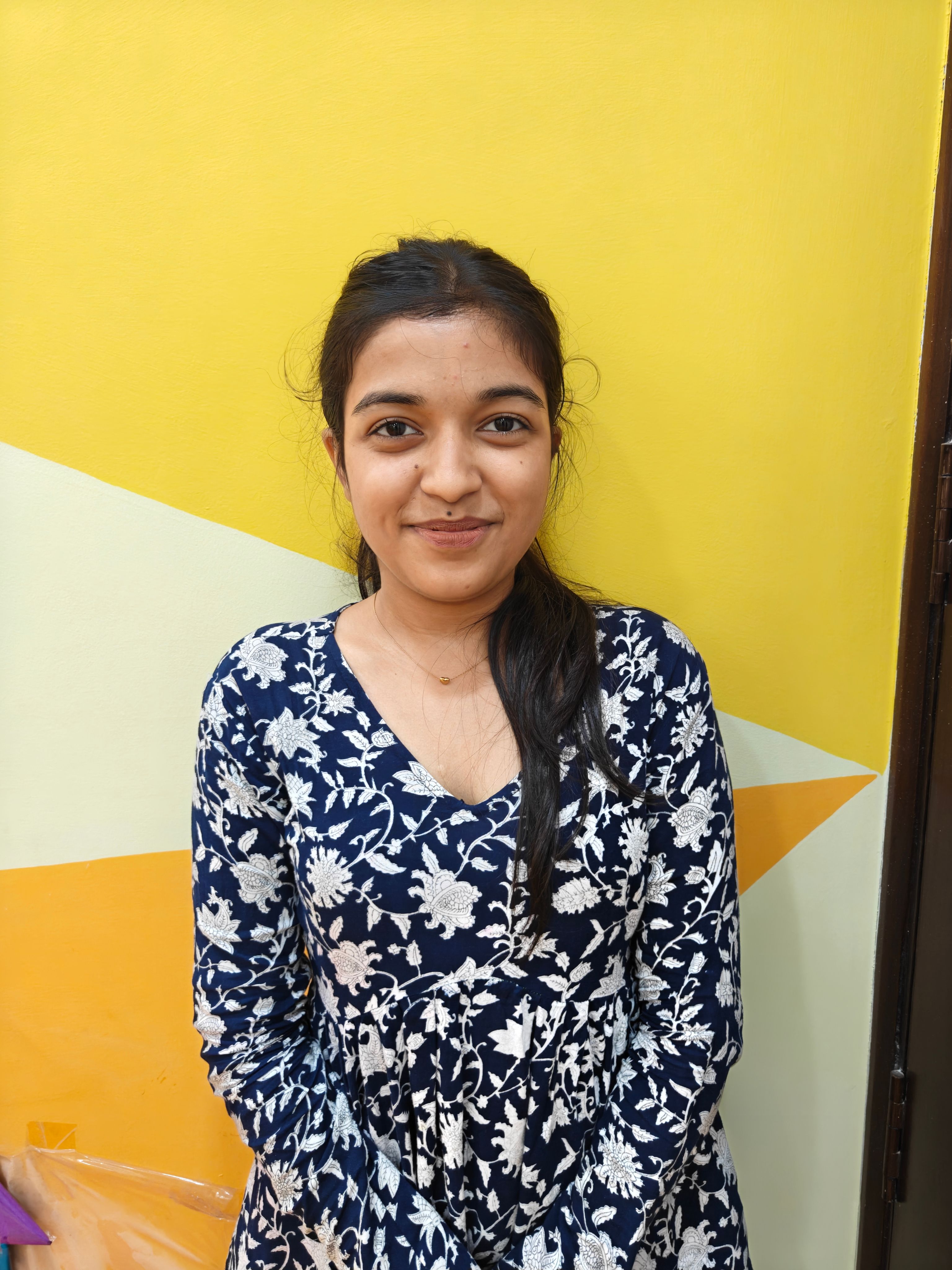
 Nursery Teacher
She helps children become comfortable with school while building early language, number and social skills through activities they enjoy.
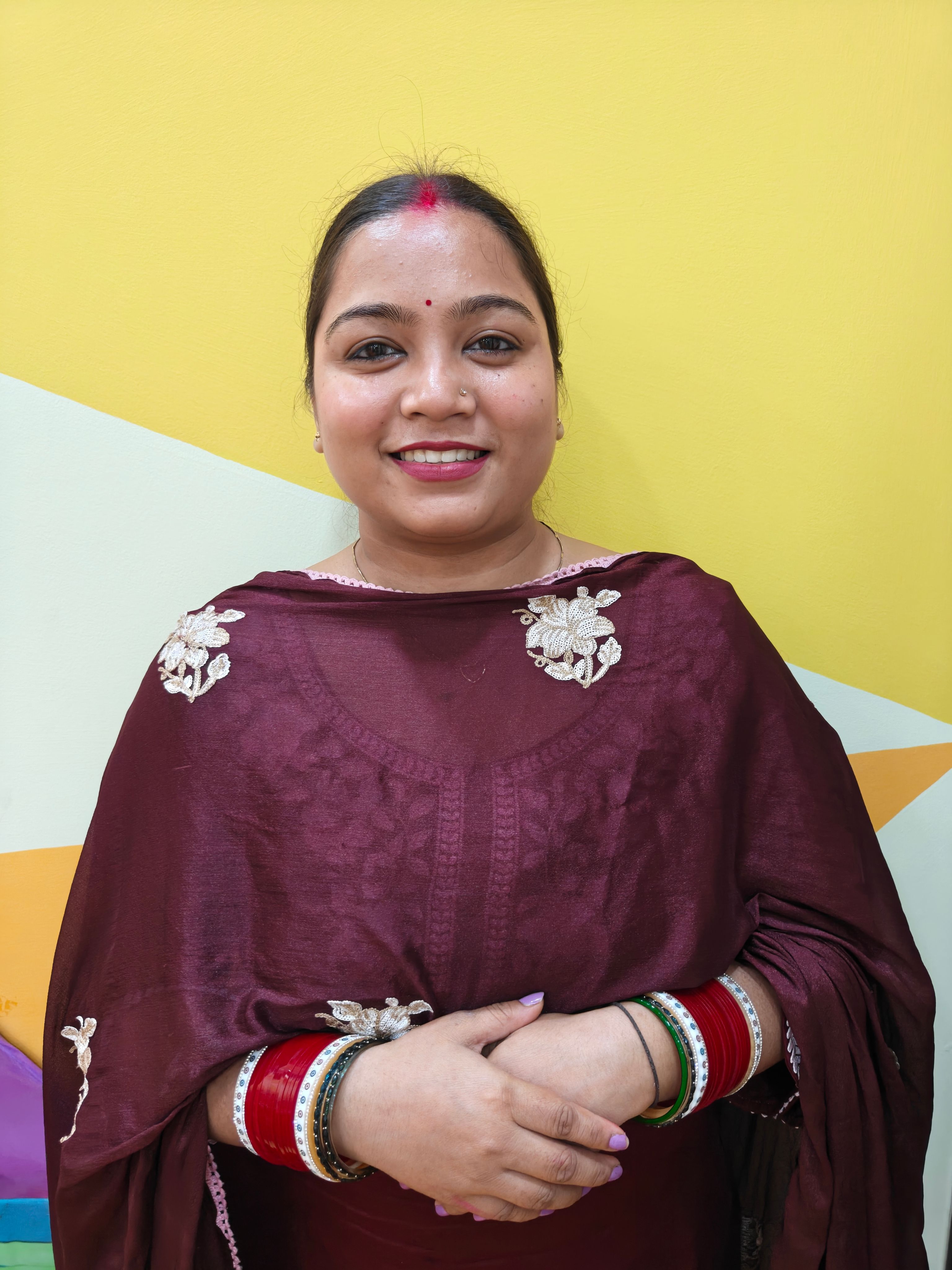
 Junior KG & Senior KG Teacher
She guides Junior KG and Senior KG children with structured learning, early reading, writing number skills and confidence-building classroom activities.
 Daycare Teacher
She creates a calm, familiar routine where children can rest, play and spend their day feeling safe, settled and cared for.
A school visit lets you understand the classroom routine, speak with our team and see how children are supported each day.
Team photographs are published with permission and can be updated by the centre.
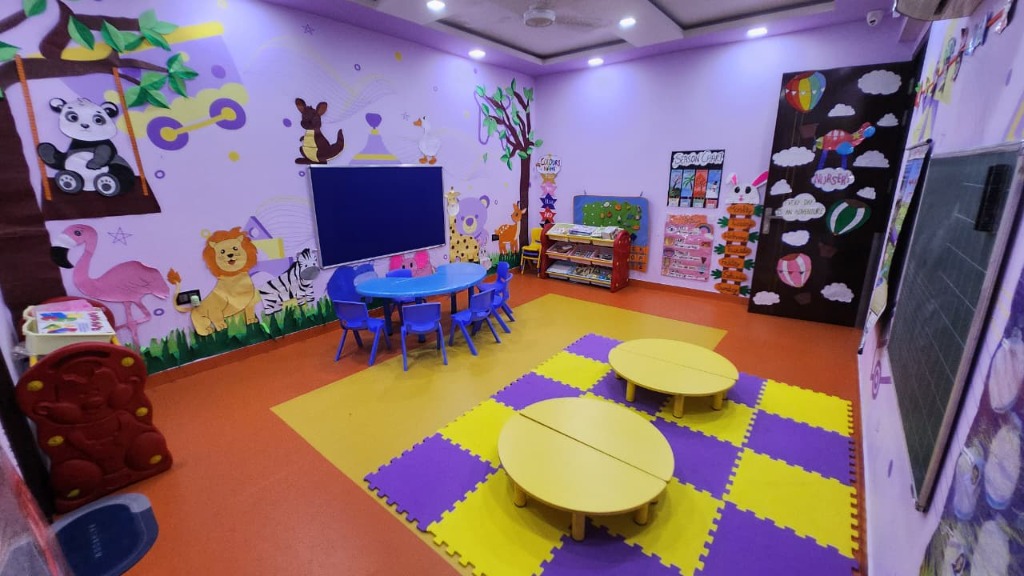
A preschool environment should make it easy for children to participate. Our classrooms and activity spaces are organised to support movement, exploration, focused learning and everyday independence.
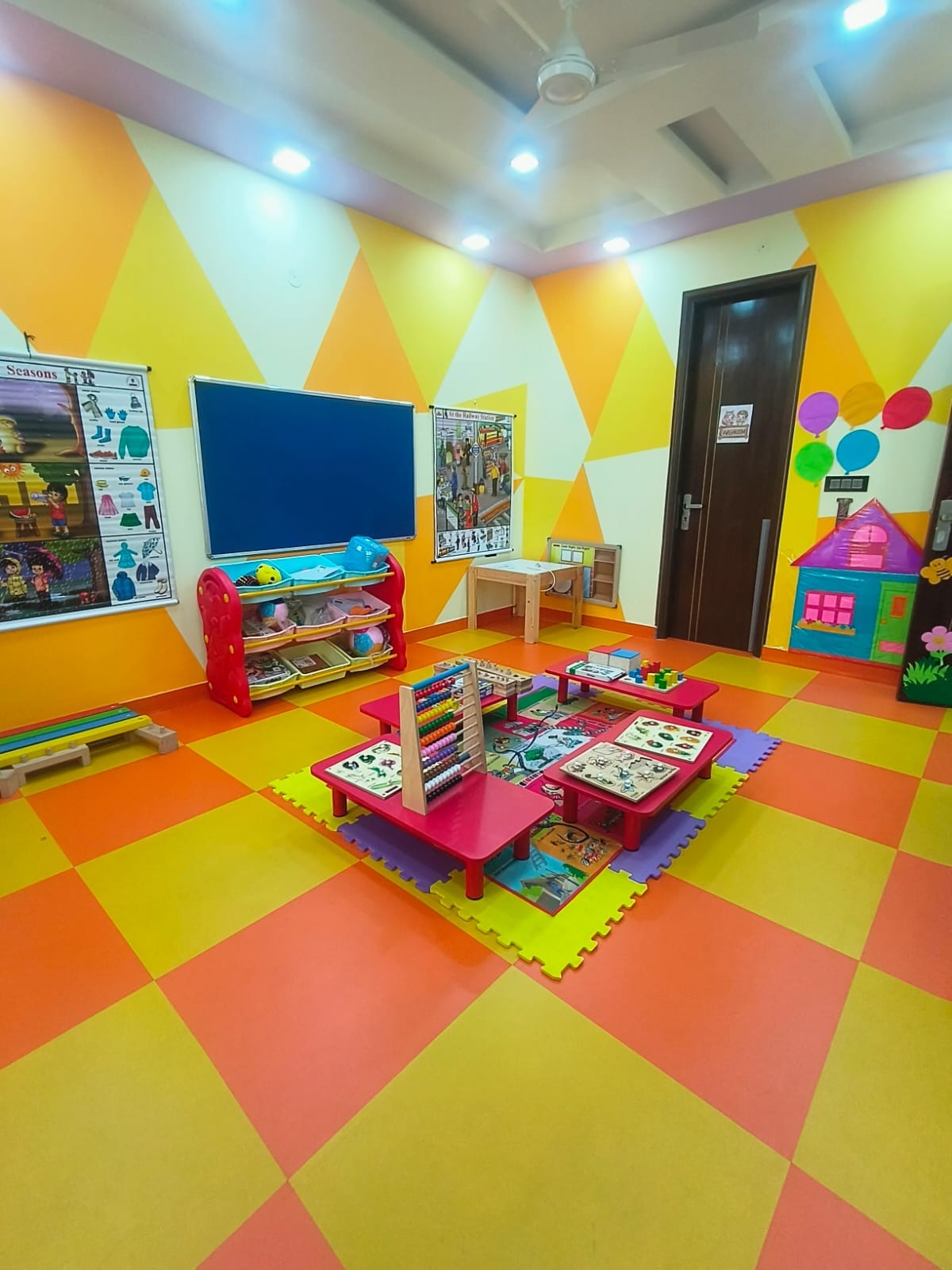
Thoughtfully arranged
Familiar spaces help children move through the day with greater confidence.
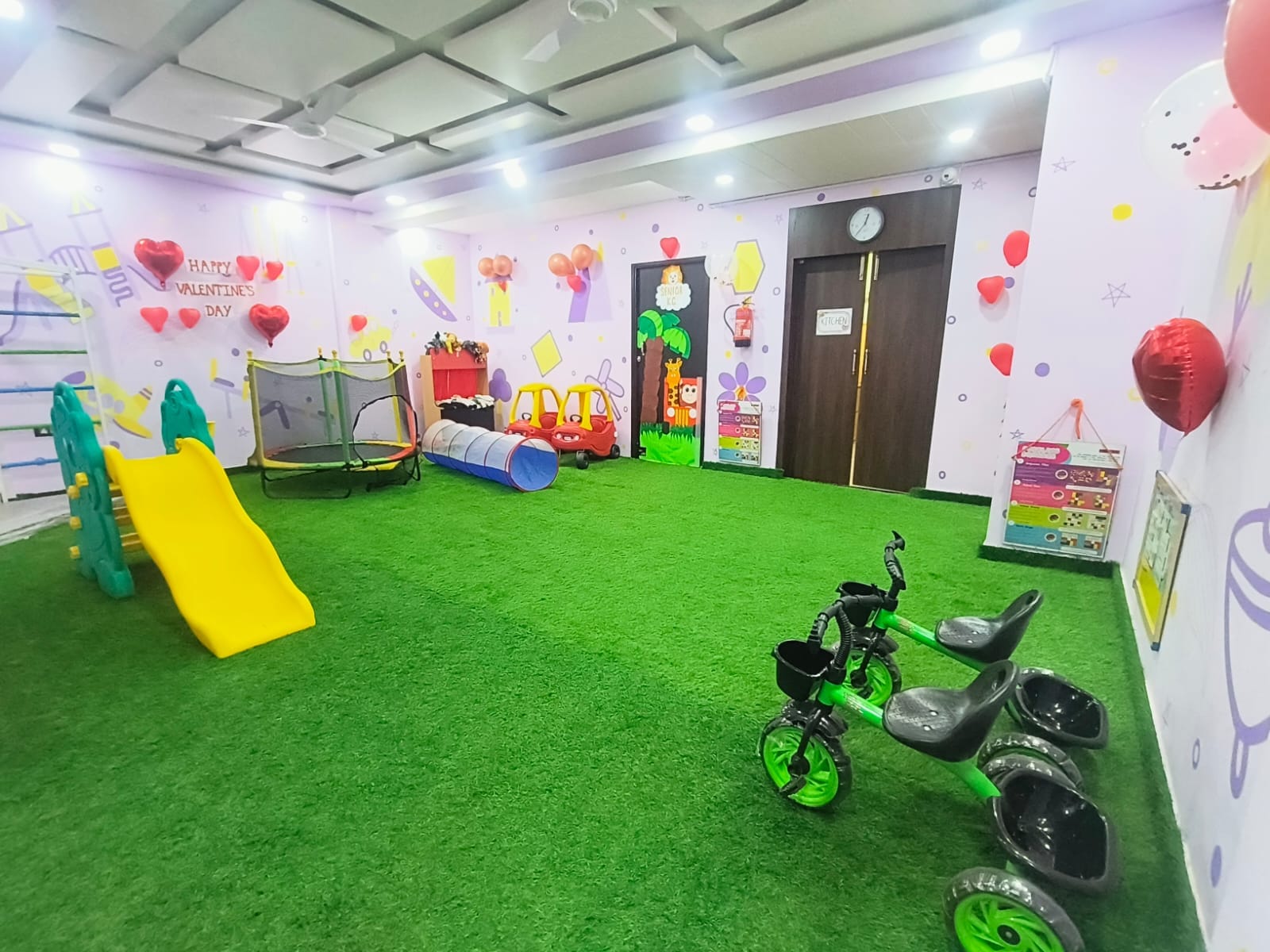
Indoor play and movement
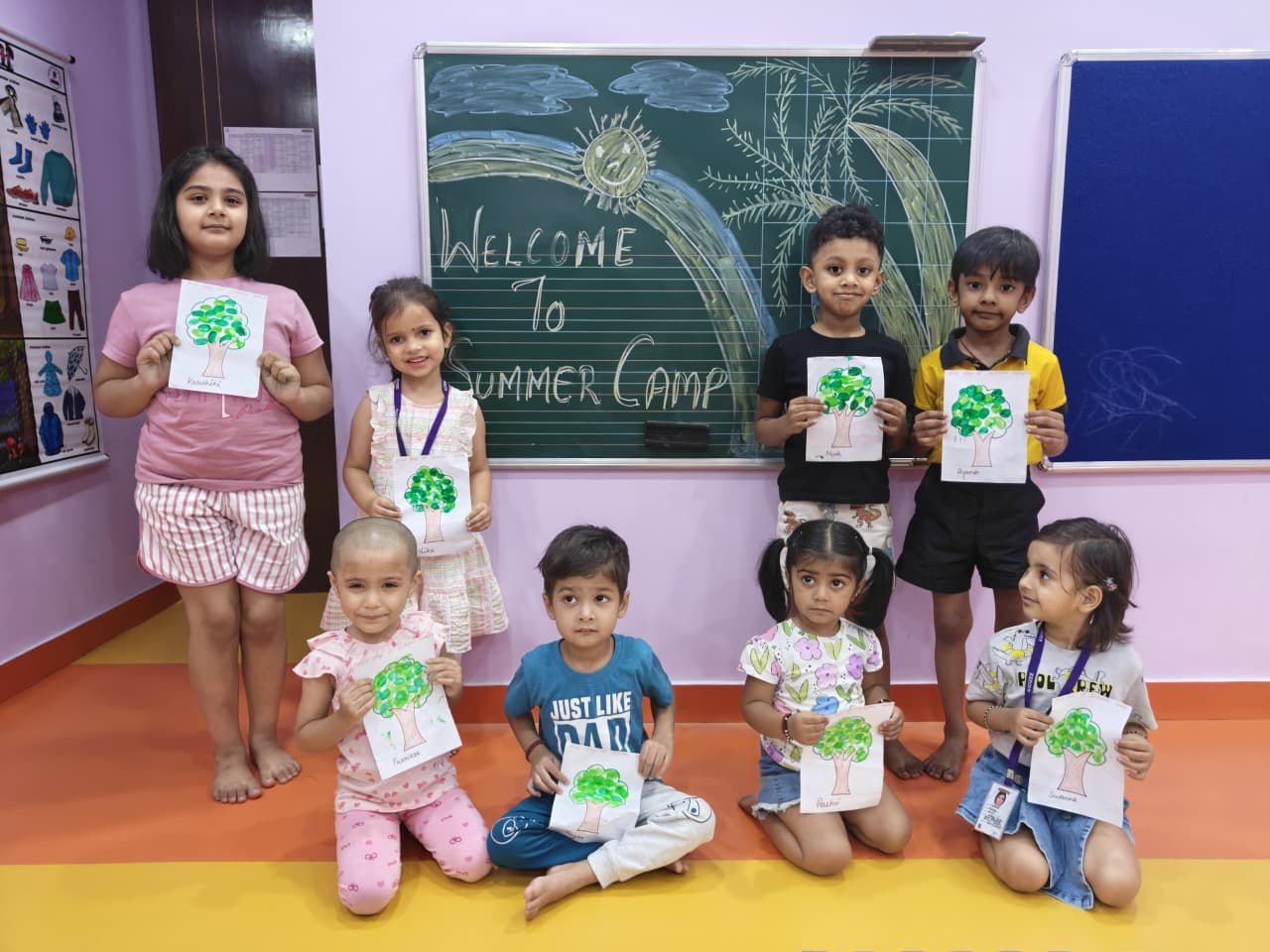
Creative and guided activities
More than a classroom
Children need different kinds of spaces during the day. They need room to listen, talk, create, move, play and sometimes pause. Our environment is planned to support these changing needs without making the routine feel confusing or overwhelming.
Environment priorities
The physical environment works together with the daily routine to help children understand where they are, what they are doing and what comes next.
Child-friendly furniture and organised activity areas
Comfortable spaces for learning, play and rest
Age-appropriate materials within children’s reach
Clear routines that help children move confidently
Regular attention to hygiene and classroom organisation
Supervised spaces designed around young children
A practical learning environment
Children are not expected to remain seated throughout the day. Learning happens through conversation, movement, guided activities, play and participation across different spaces.
Safety at preschool is built through many small, consistent actions. It includes attentive supervision, controlled entry, clear handover routines, clean surroundings and a team that knows how to respond when a child needs comfort or help.
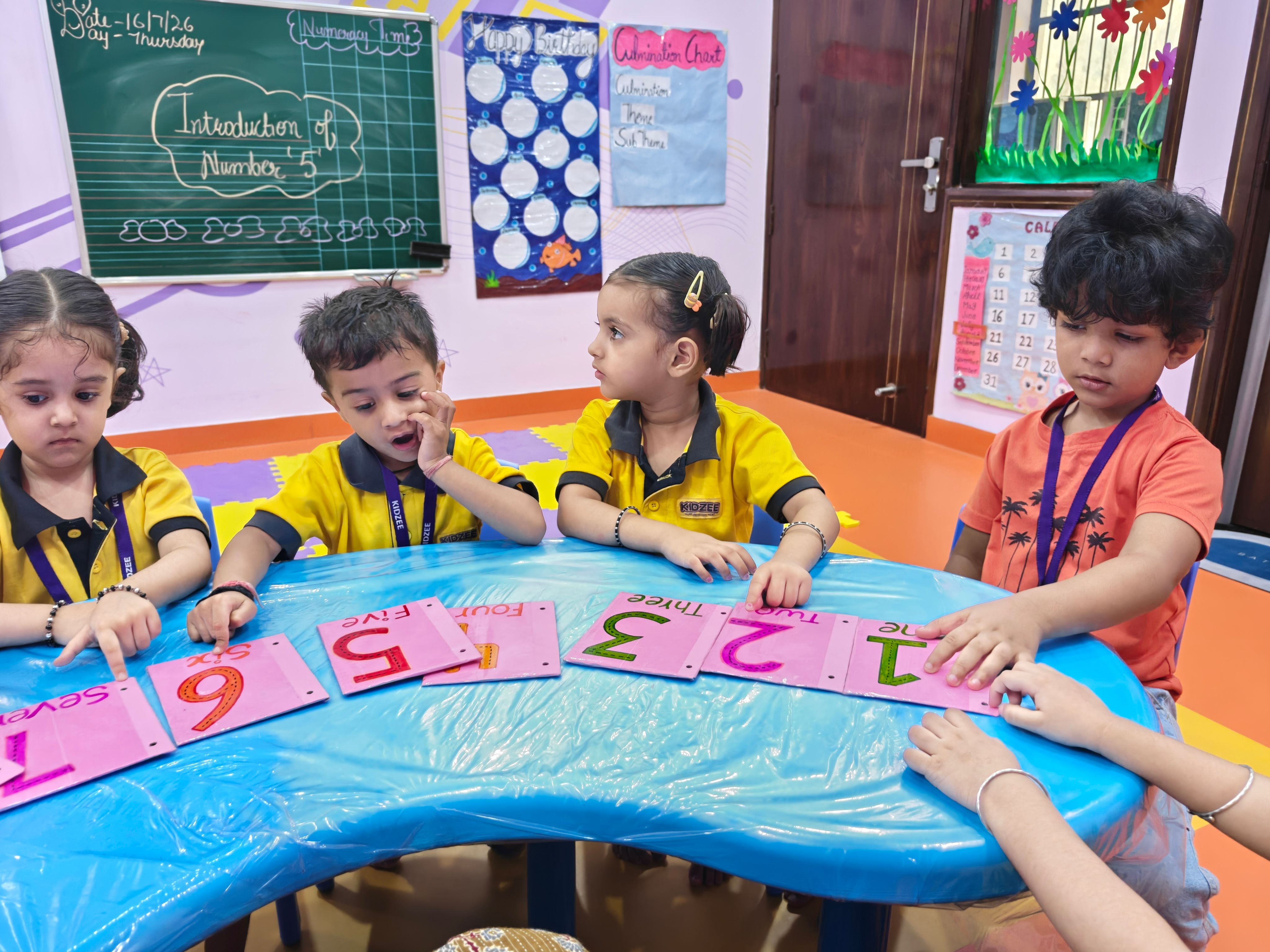
Care children can feel
A familiar adult, a calm response and consistent routines can make a big difference to a young child’s day.